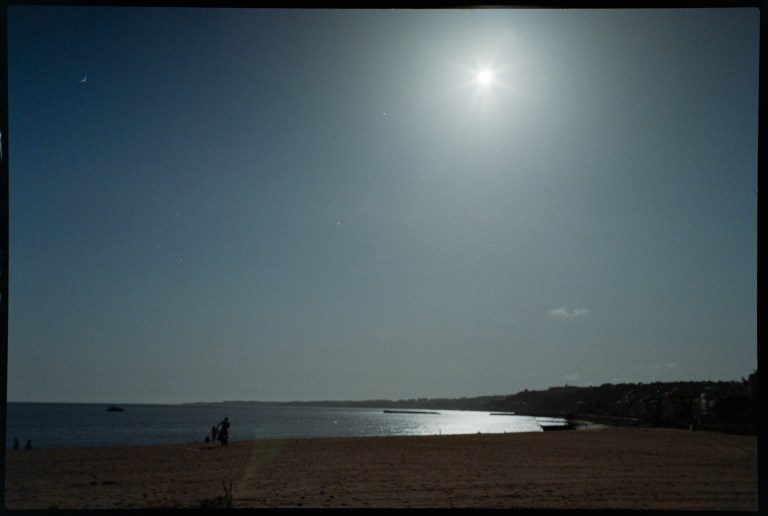
I recently took a short, eight-day trip to Portugal with my kids. I decided to pack light and keep things simple with a film camera.
My setup was a Voigtländer Bessa-T paired with a Leica 35mm Summicron lens. Ironically, this analog setup feels much smaller and lighter than the equivalent in digital terms with my Leica M-E.
Single roll discipline
To lean into the simplicity of film, I made a deliberate choice: I brought only one roll of Fujifilm 200 color film.
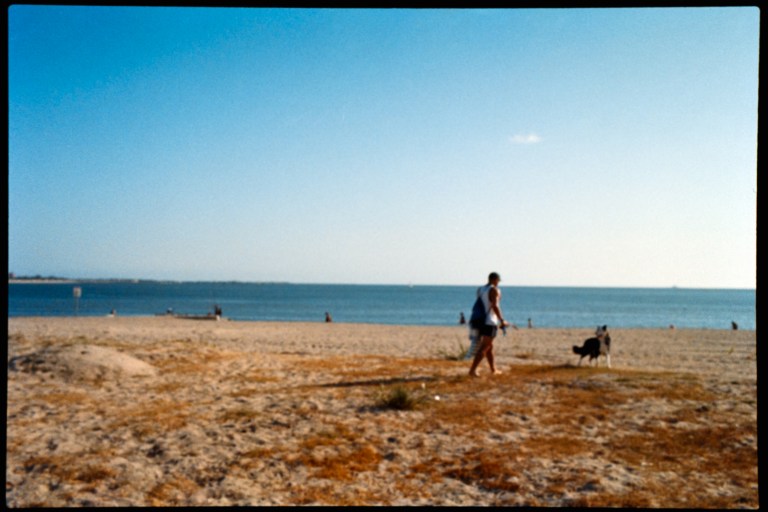
Just 36 frames total for 8 days. It felt completely reasonable to me. This limitation would impose self-discipline, making each photo more deliberate.
We live in an era of rapid-fire digital shooting where people take five or ten variations of a same photo just to be safe.
Shooting film demands a different kind of discipline. You take one photo and that’s it.
Results
While I am genuinely thrilled with how the photos turned out — there is an unmistakable look to the colors and contrast that digital sensors interpret differently — the images themselves are only part of the story.
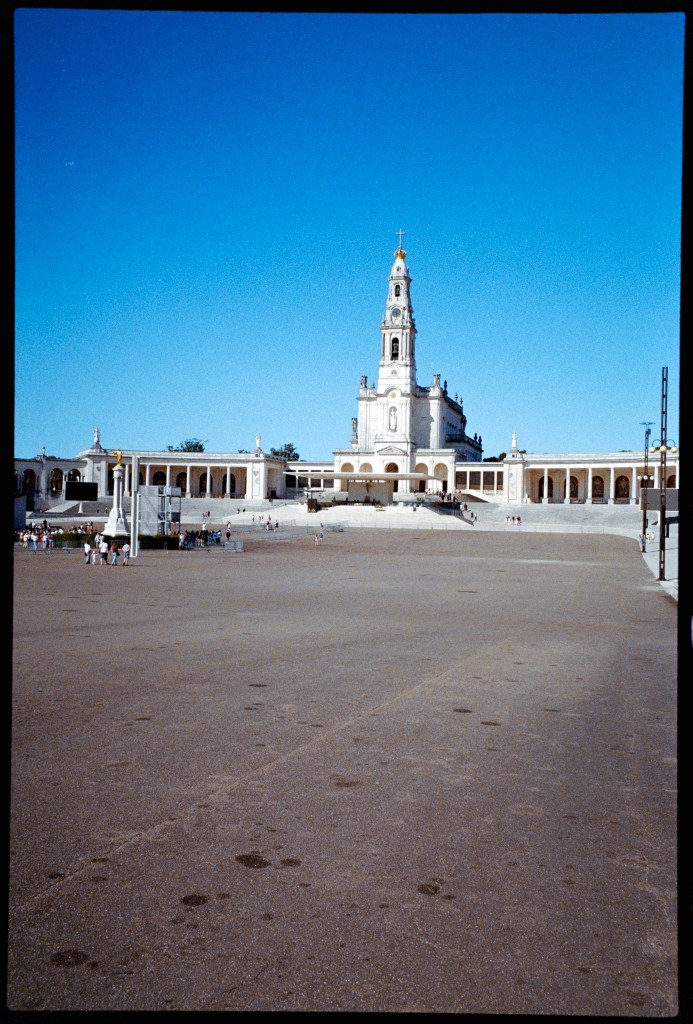
The real magic of shooting film isn’t just in the final result. It’s in the experience.
When you only have 36 exposures, every single shot has to be earned. You pause, you frame and you make a conscious choice.
This deliberate pace is what I appreciate the most.

The viewfinder issue
Using the Voigtländer Bessa-T you have to rely on an external viewfinder. I’ve been using my old Olympus VF-1, a 35mm OVF originally made back for the Micro 4/3 Olympus Pen cameras, which I originally bought to use with my Epson R-D1x.
The VF-1 is wonderfully bright and comfortable to look through. But attached to the ultra slim Bessa-T body, it protrudes quite significantly towards the back. Whenever I was carrying the camera, the VF-1 constantly bumped against my body, making it surprisingly uncomfortable.
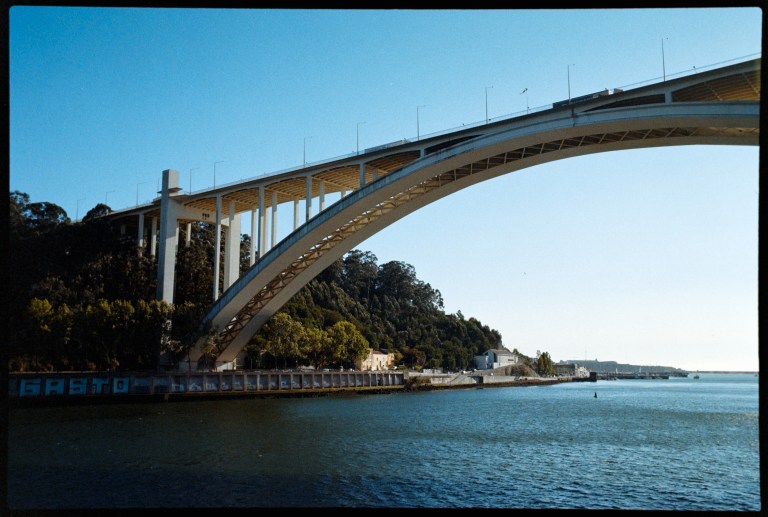
This is the kind of thing you only learn by actually putting your gear into the field. Wasting no time, I hopped onto a Japanese second-hand market and found a proper 35mm Voigtländer external viewfinder.
It’s currently on its way to Macau. Not only will it sit flush and stop poking me in the chest, but it will also match the Voigtländer body aesthetically — a much more cohesive pairing.
The Portuguese Sun
Working outdoors in Portugal meant light was always abundant, which brought some interesting quirks with the Bessa-T‘s built-in meter. It proved to be quite sensitive in the bright sun, constantly flashing between correct exposure and underexposure — sometimes lighting up both indicators at once.
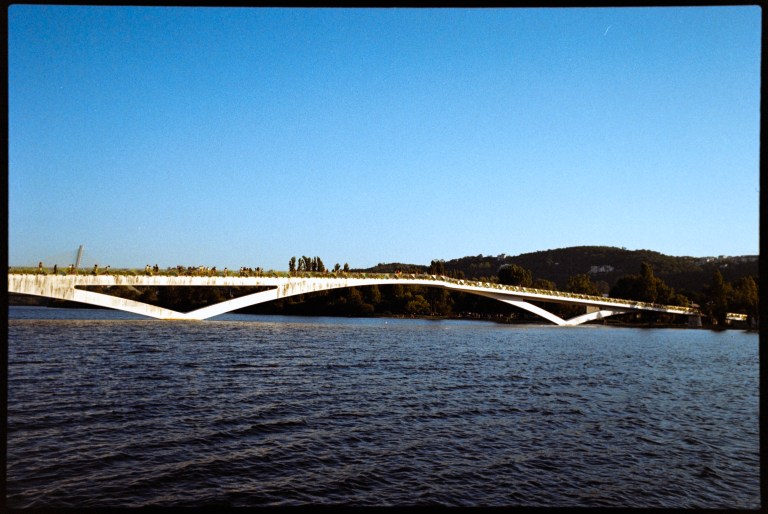
Carrying a habit over from my previous experience in Thailand, where harsh outdoor light easily blew out highlights, I caught myself intentionally leaning toward slight underexposure.
However, I discovered something I wasn’t expecting: the optical combination resulted in very, very strong dark corners and vignetting. This never happens when I shoot the same Summicron lens in my Leica M-E. Ok, I know, this is film now.
It is definitely a learning curve. I guess I need to trust the camera’s metering system a bit more. But looking at the scans now? Many frames came out with heavy, dramatic dark corners. And honestly, I like them.
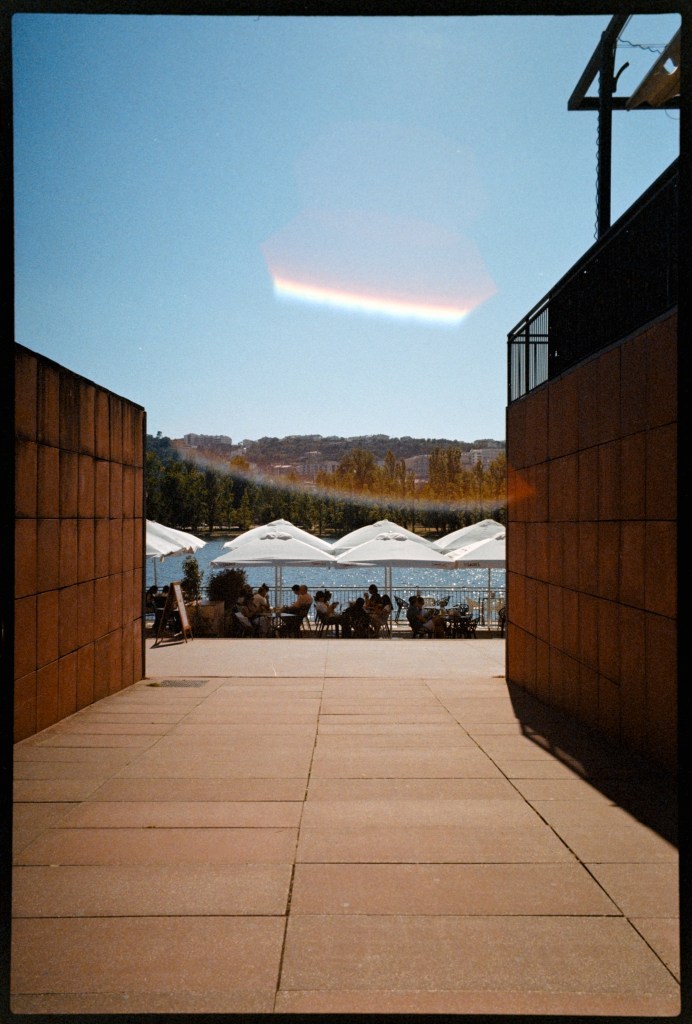
It gives me a lot to think about for the next roll.
In a world where we usually drown our memories in thousands of rapid-fire digital captures, slowing down to 36 frames — gear quirks, vignetting, sun-flare et al — provided the best shutter therapy to me.